Research
Structure preserving discretization of port-Hamiltonian systems
Since my PhD I have been working on structure preserving methods for port-Hamiltonian systems. To this aim I have primarily used open-source finite element libraries like FEniCS and Firedrake but I also developed my own code for simple simulations.
Finite element exterior calculus and port-Hamiltonian dynamics
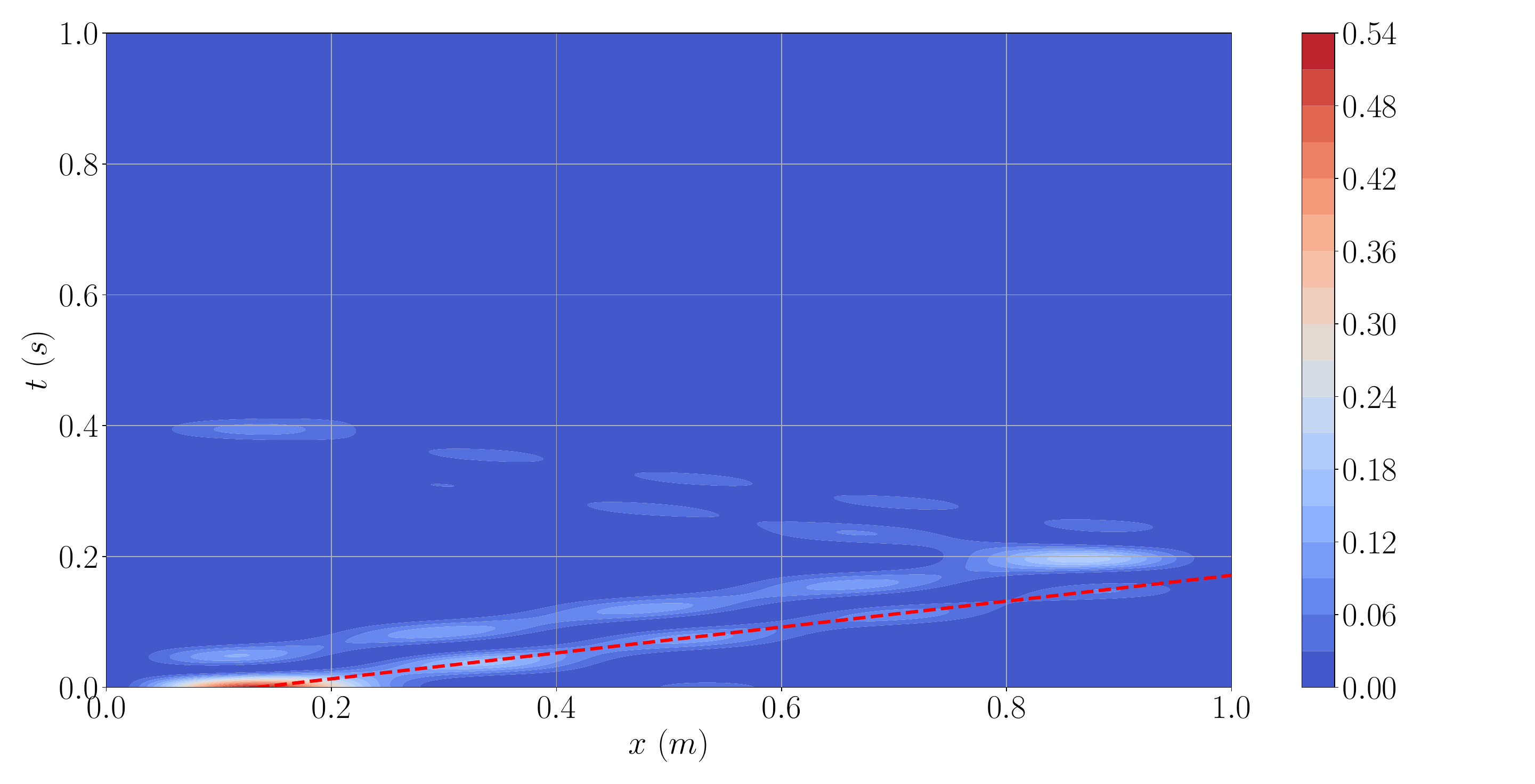
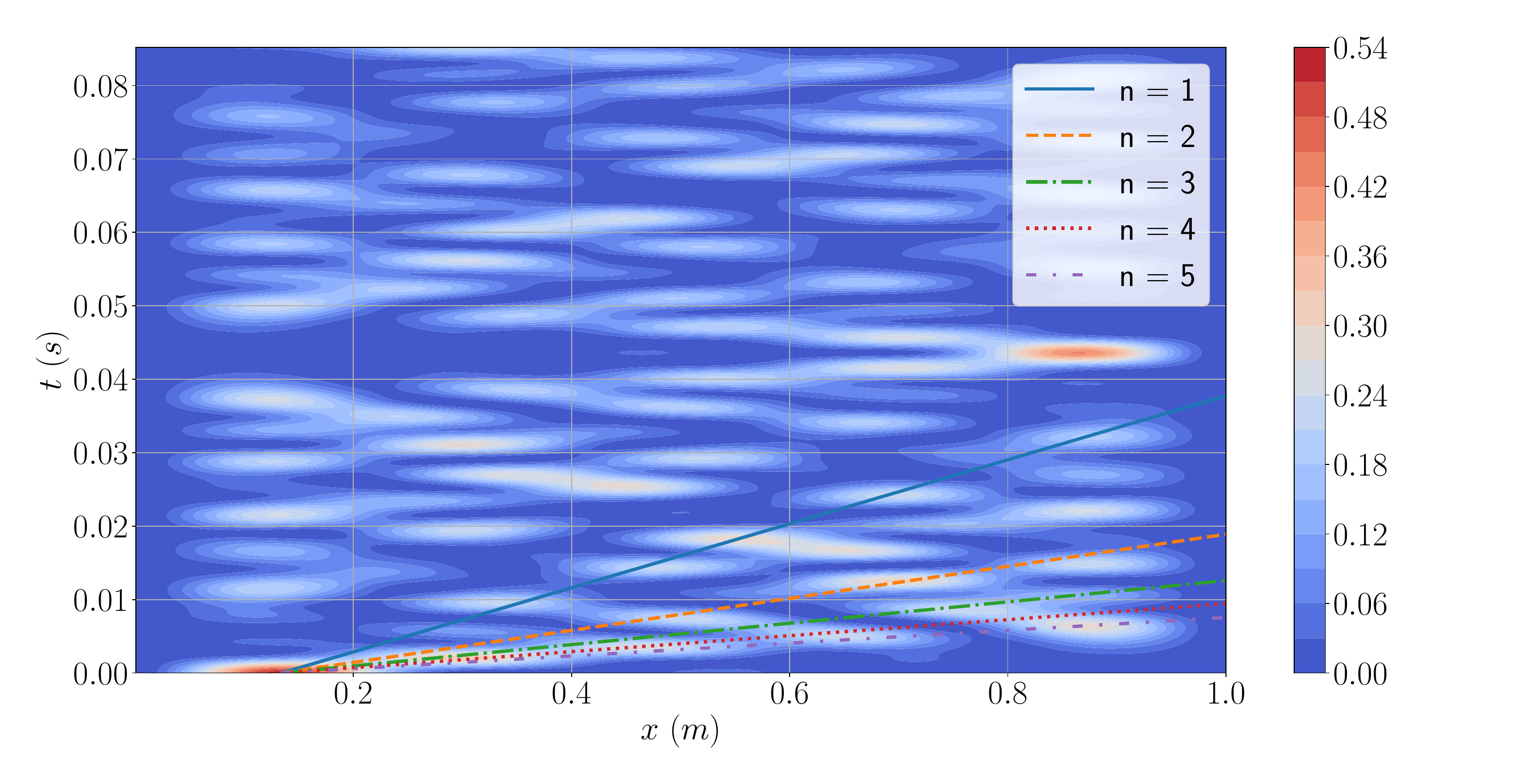
Physical equations are typically written using vector calculus but they can also be written using the language of differential geometry. This latter formalism distinguishes topological and metrical notions and connects integration, derivation using coordinate free expressions. Seemingly different numerical methods (e.g. finite differences, finite elements, finite volumes) can be understood in a unified way when described using tools from differential geometry. Hamiltonian and port-Hamiltonian systems are typically formulated in a geometric setting. In my research I have established general methodologies on how to discretize port-Hamiltonian systems using Finite Element Exterior Calculus.
Structural dynamics and integrators
In nonlinear mechanics, energy preserving methods are preferred as they produce stable and accurate simulations. However these methods are typically implicit and they require Newton iterations to produce a solution. By reformulating the equations, linearly implicit energy conserving methods can be devised. For instance, consider the oscillator in Figure 2. The system corresponds to the famous Duffing oscillator.
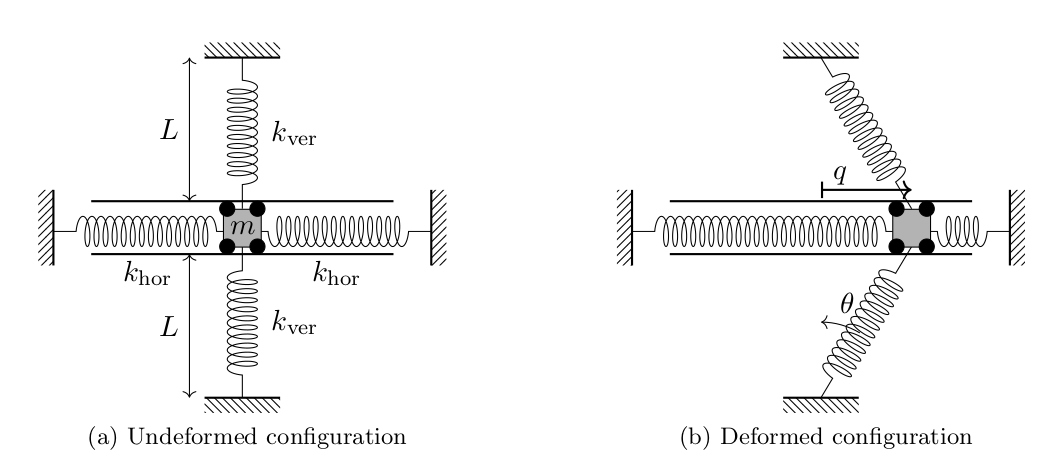
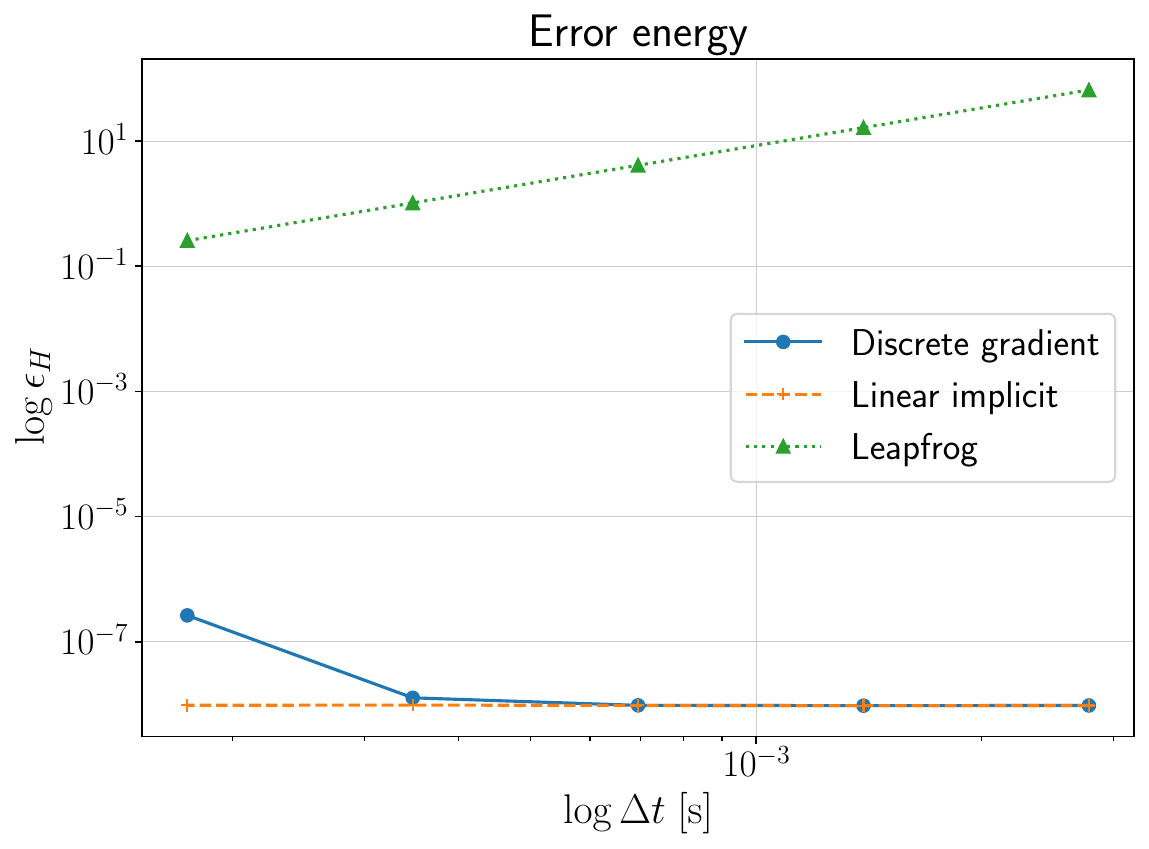
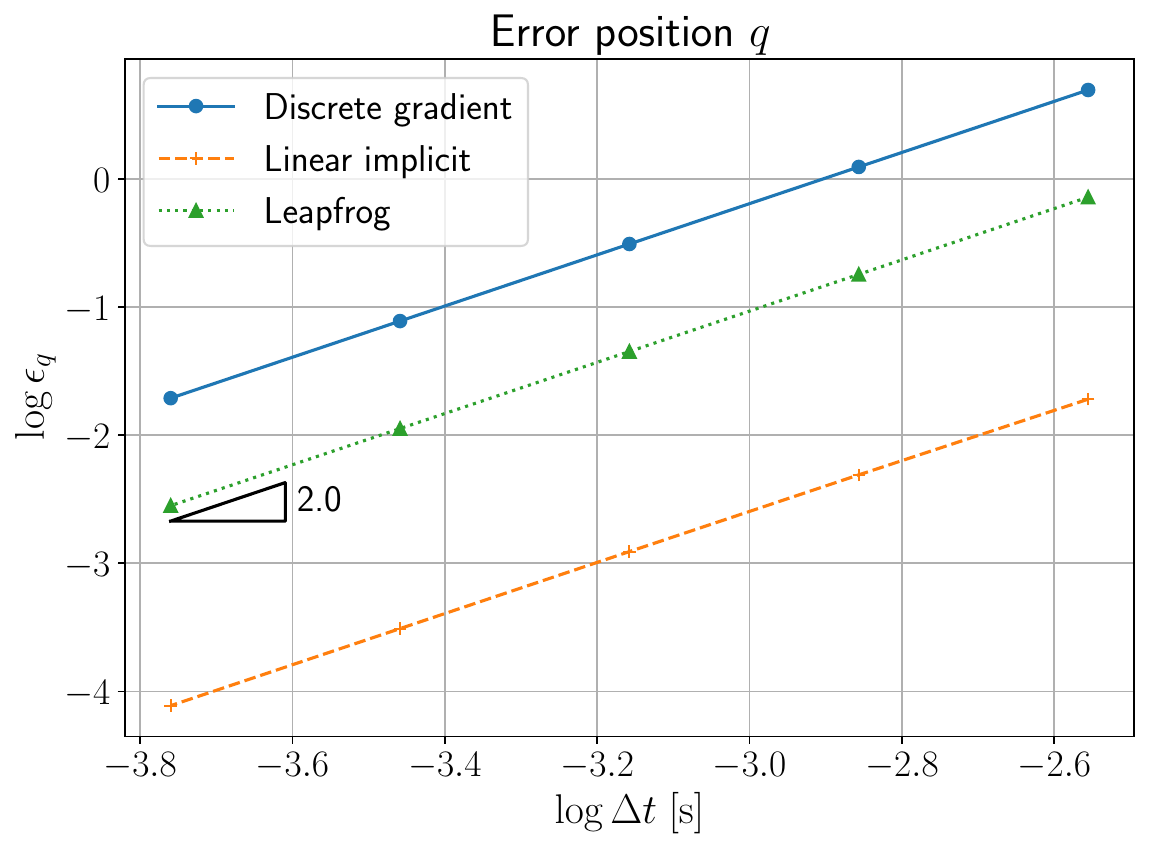
The integration is capable of preserving the energy exactly and has a lower error with respect to other integrators Figure 3.
Systems theory and numerical methods
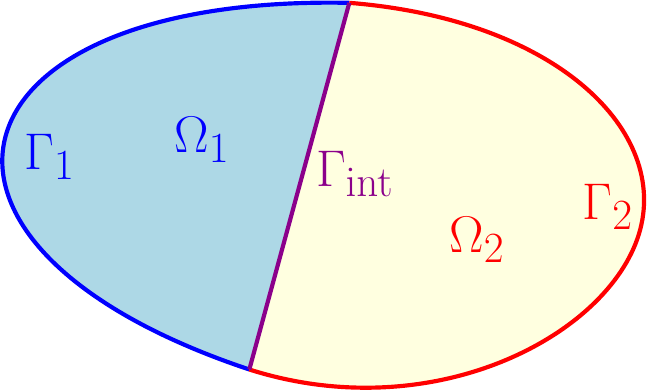
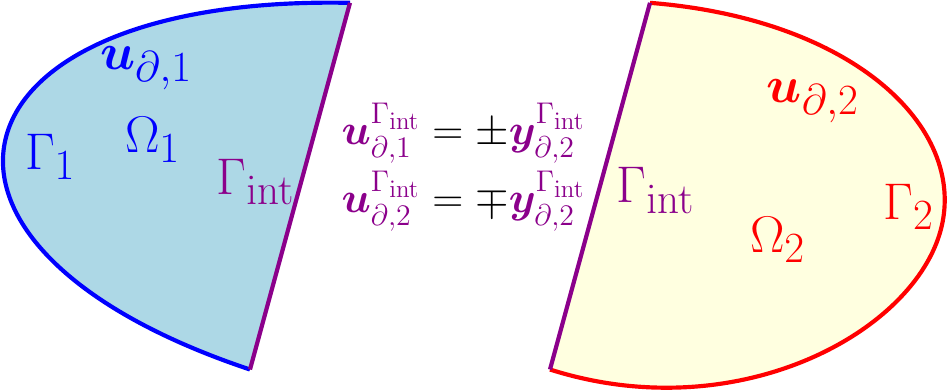
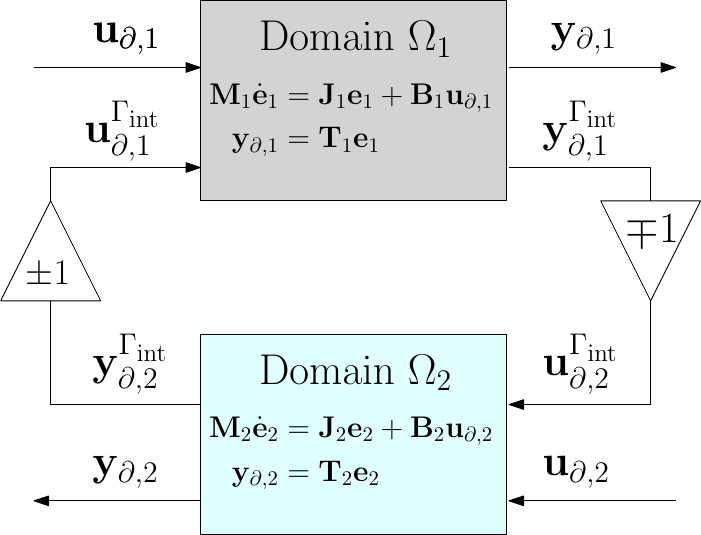
System theory provides a structural way of thinking about interconnected system. This can be used to reinterpret numerical method that uses local basis glued together in a strong or weak way. Numerical fluxes in discontinuous methods may benefit from such an interpretation.
Numerical methods for high frequency structural dynamics
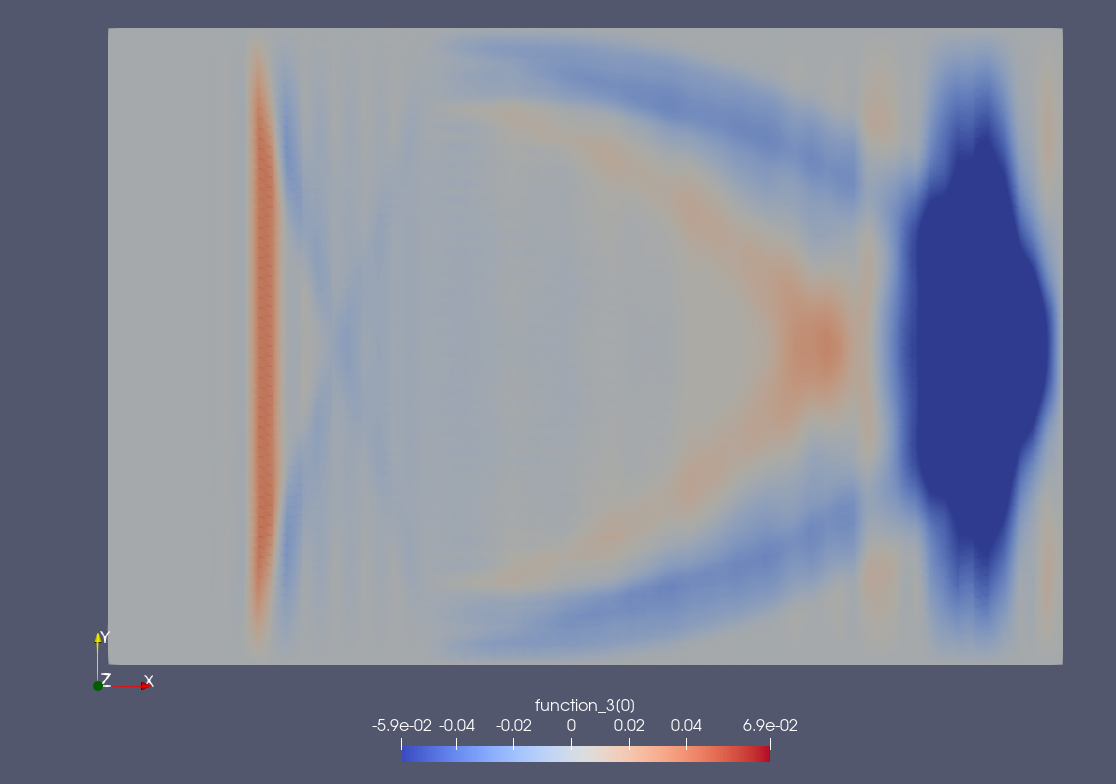
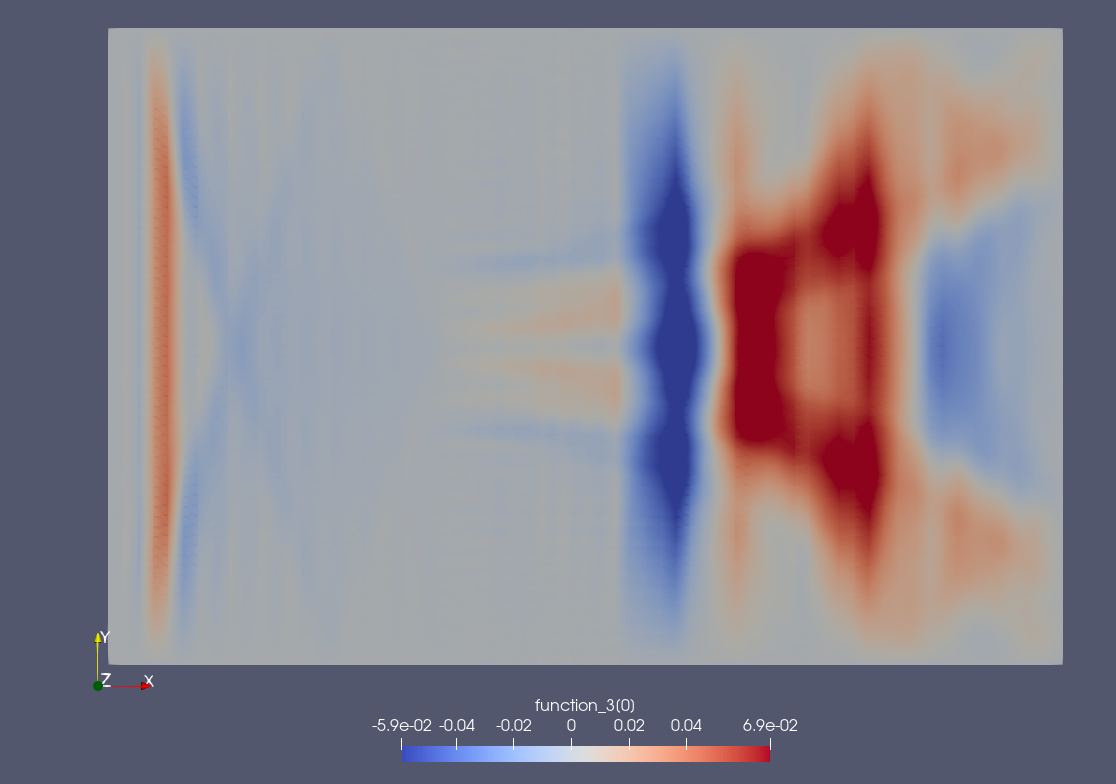
Classical finite elements notoriously struggle when high frequency waves propagate in solids. Alternative methods can be used to tackle this problem, like Trefftz method or statistical energy analysis.